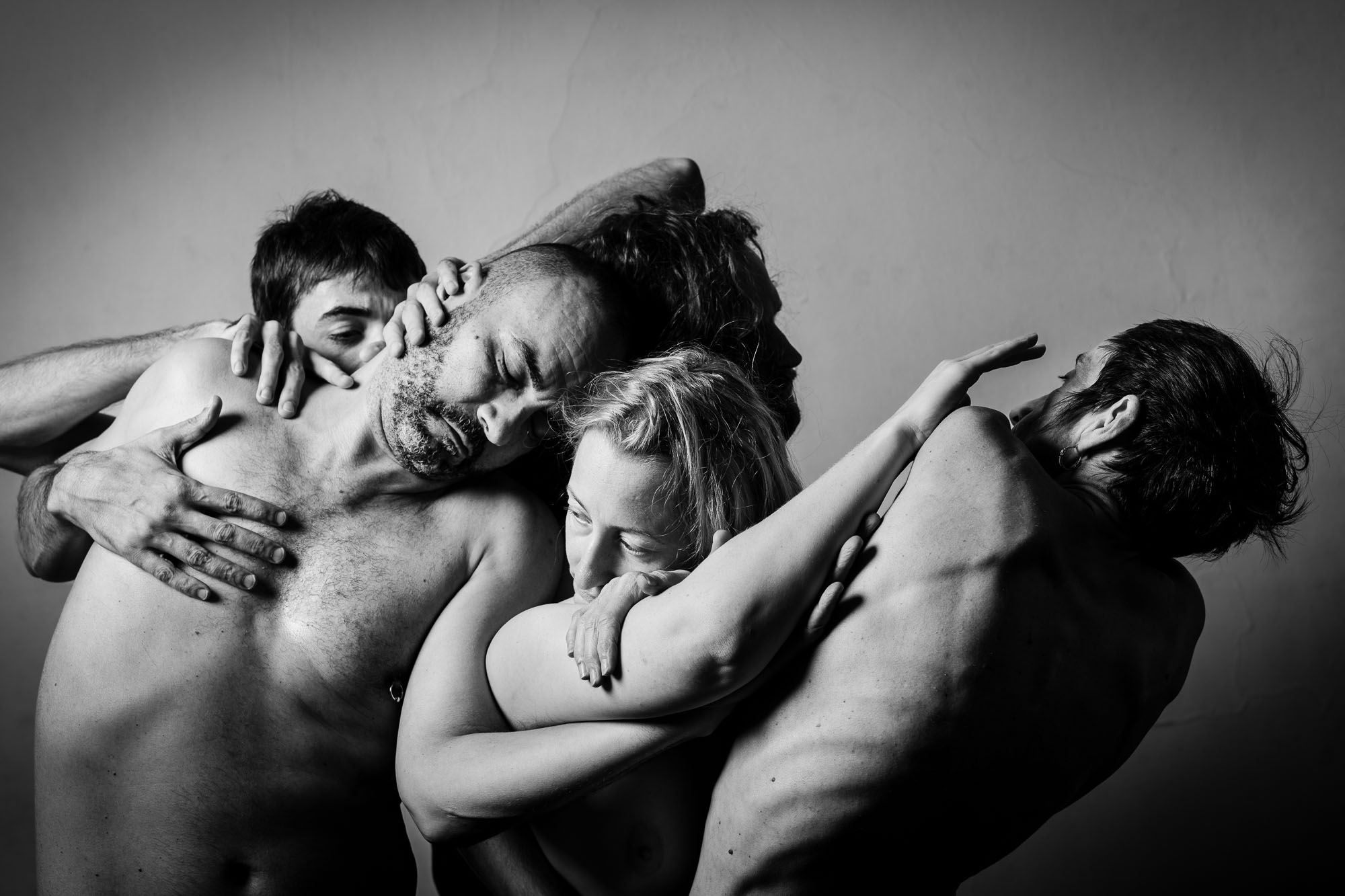
Studio LaborGras Research with Rosalind Crisp June 2012

Research with Rosalind Crisp

tools for dancing

Monday June 25th – Friday 29th
every day from 13:30 - 17:30 h


Open Studio
June 29th, 16:30 – 17:30 h

Free Entrance to the Open Studio

tools for dancing - Research Lab

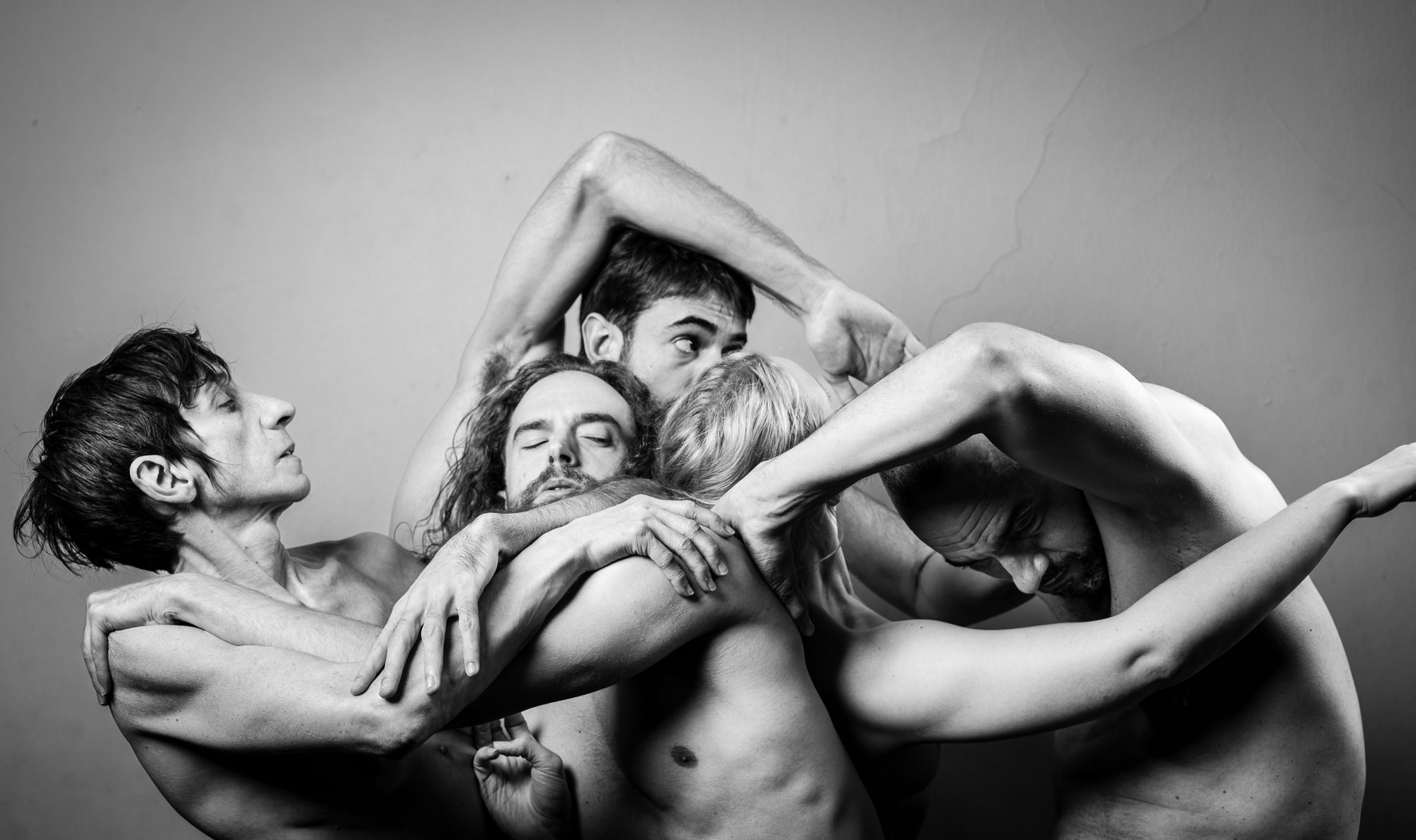
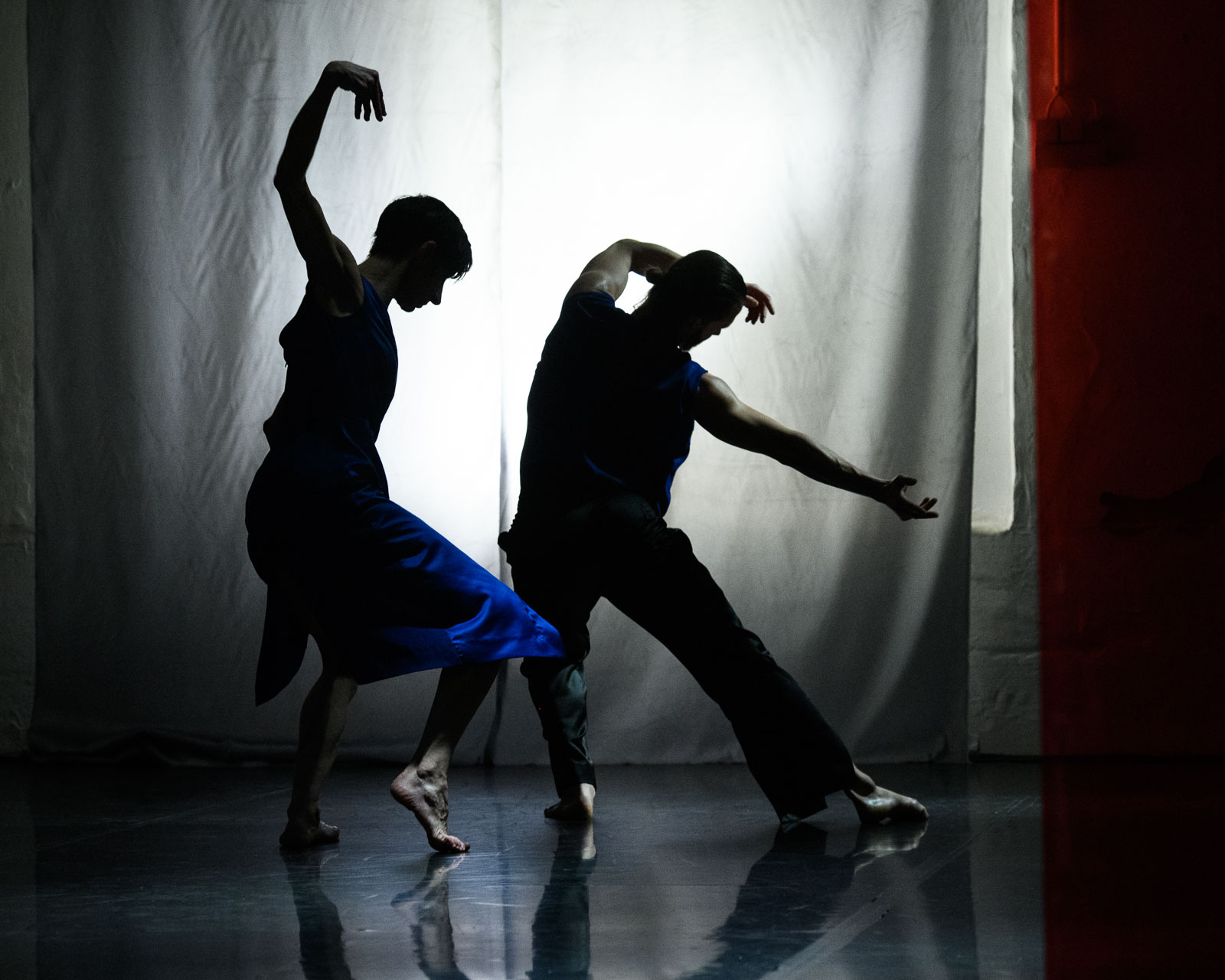
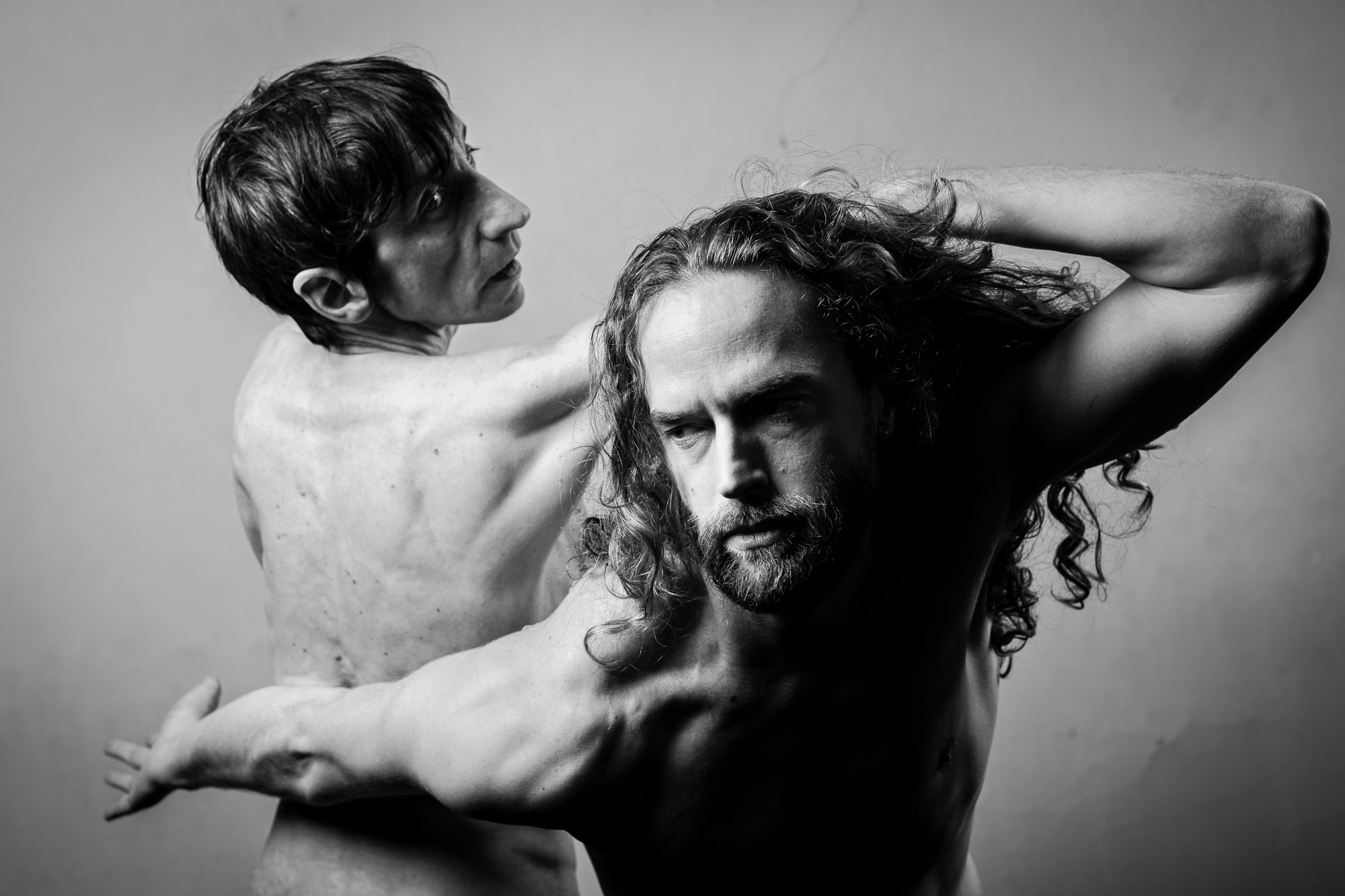
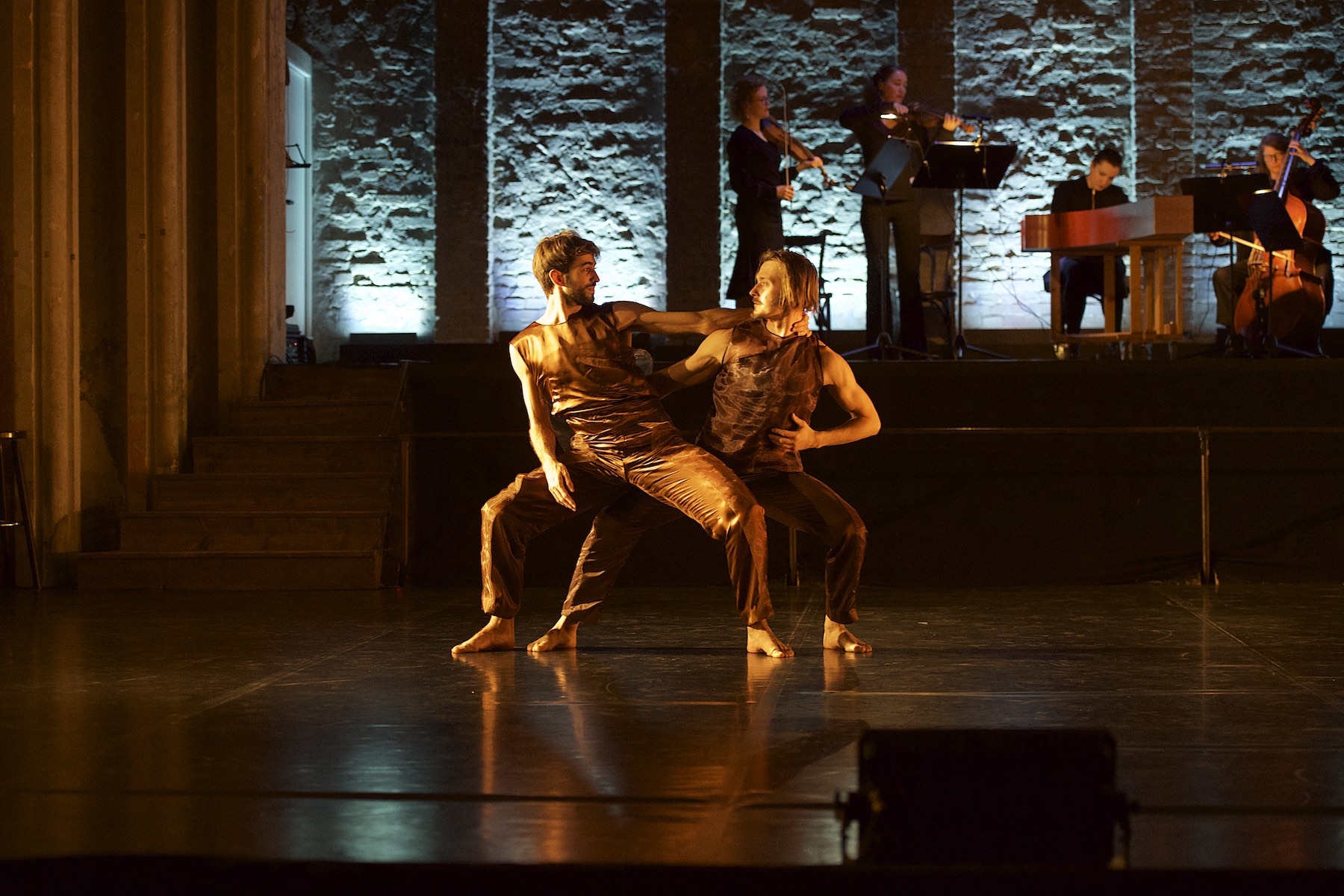
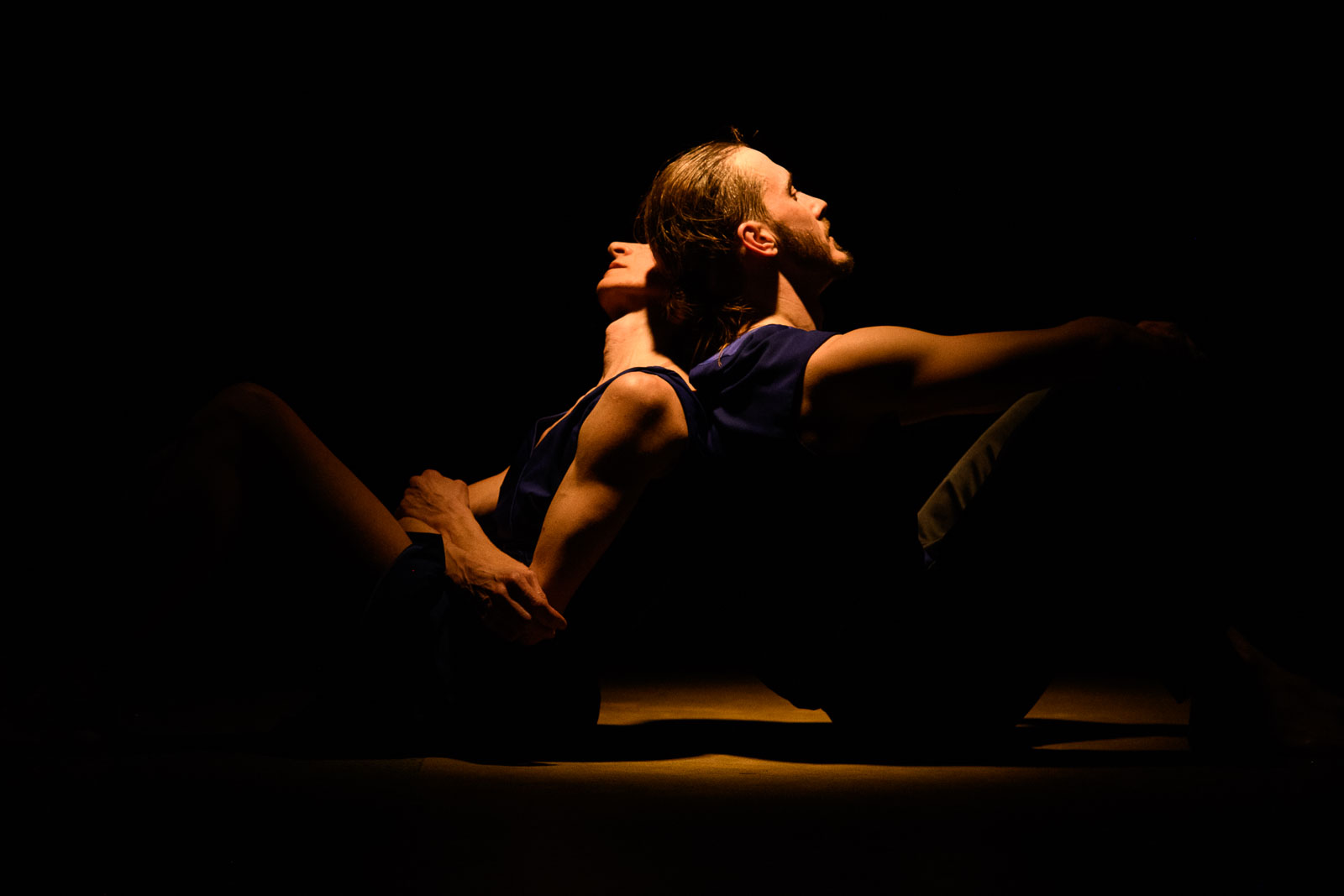
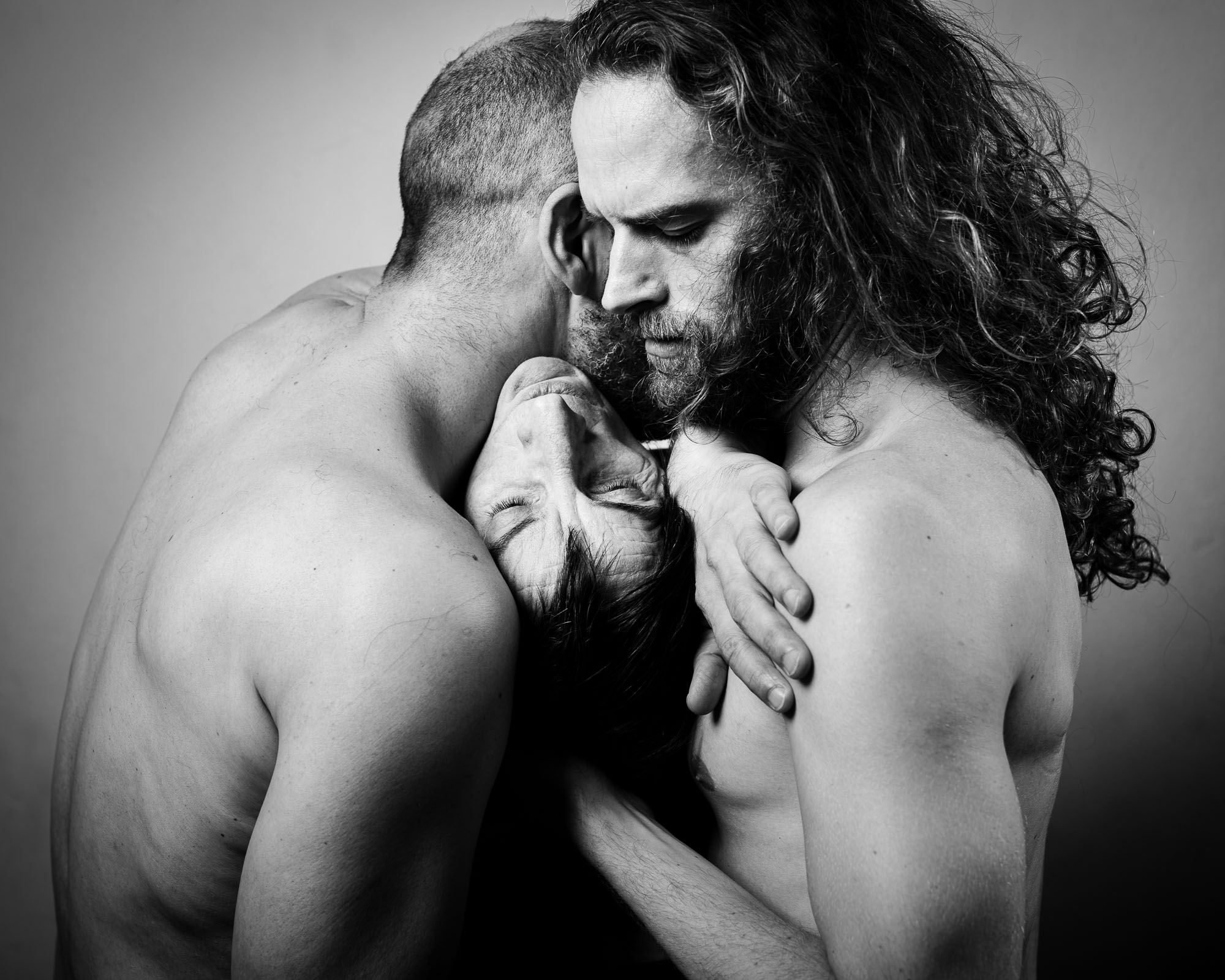
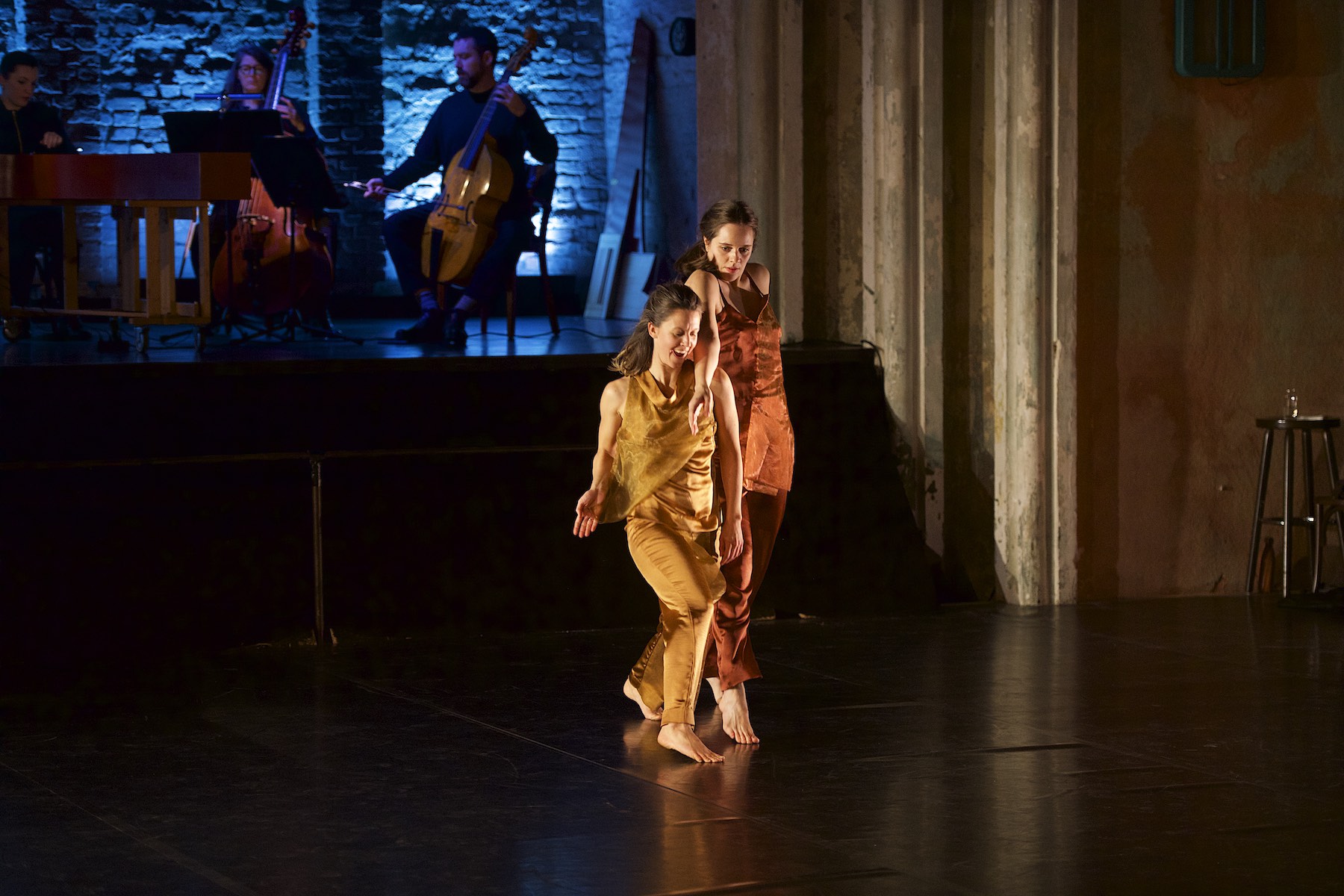
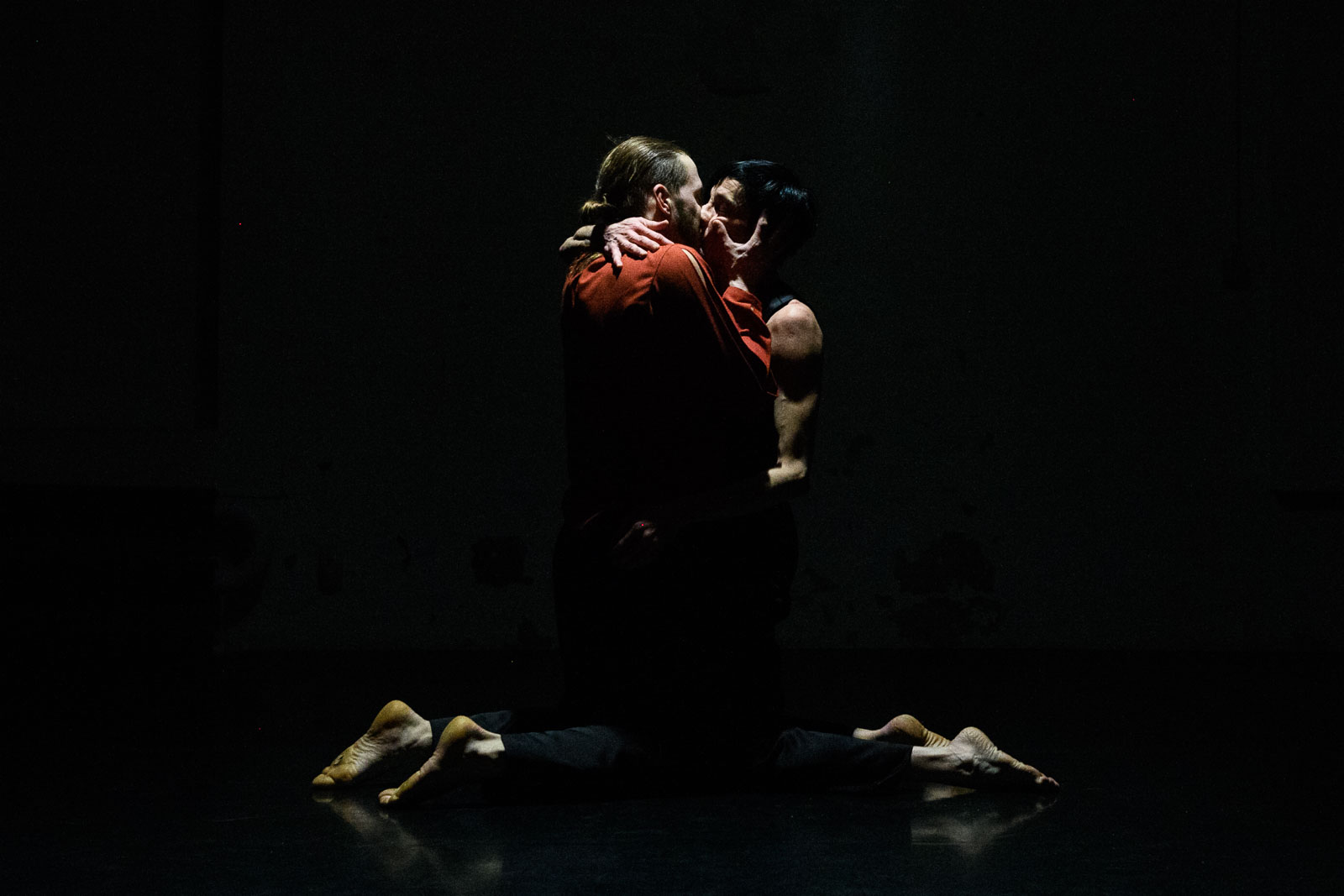
Rosalind Crisp offers practical tools to pay attention to the act of dancing and concrete ways of generating, and of perceiving, movement from any part of the body, at any speed or level, with any force or direction, for any duration... at any time. This work can deflect the dancer from their habitual movement pathways, enlarge their range of movement choices, and place them more solidly in the present. It offers primary sources for movement that empower the dancer as creative agent. 


Rosalind Crisp
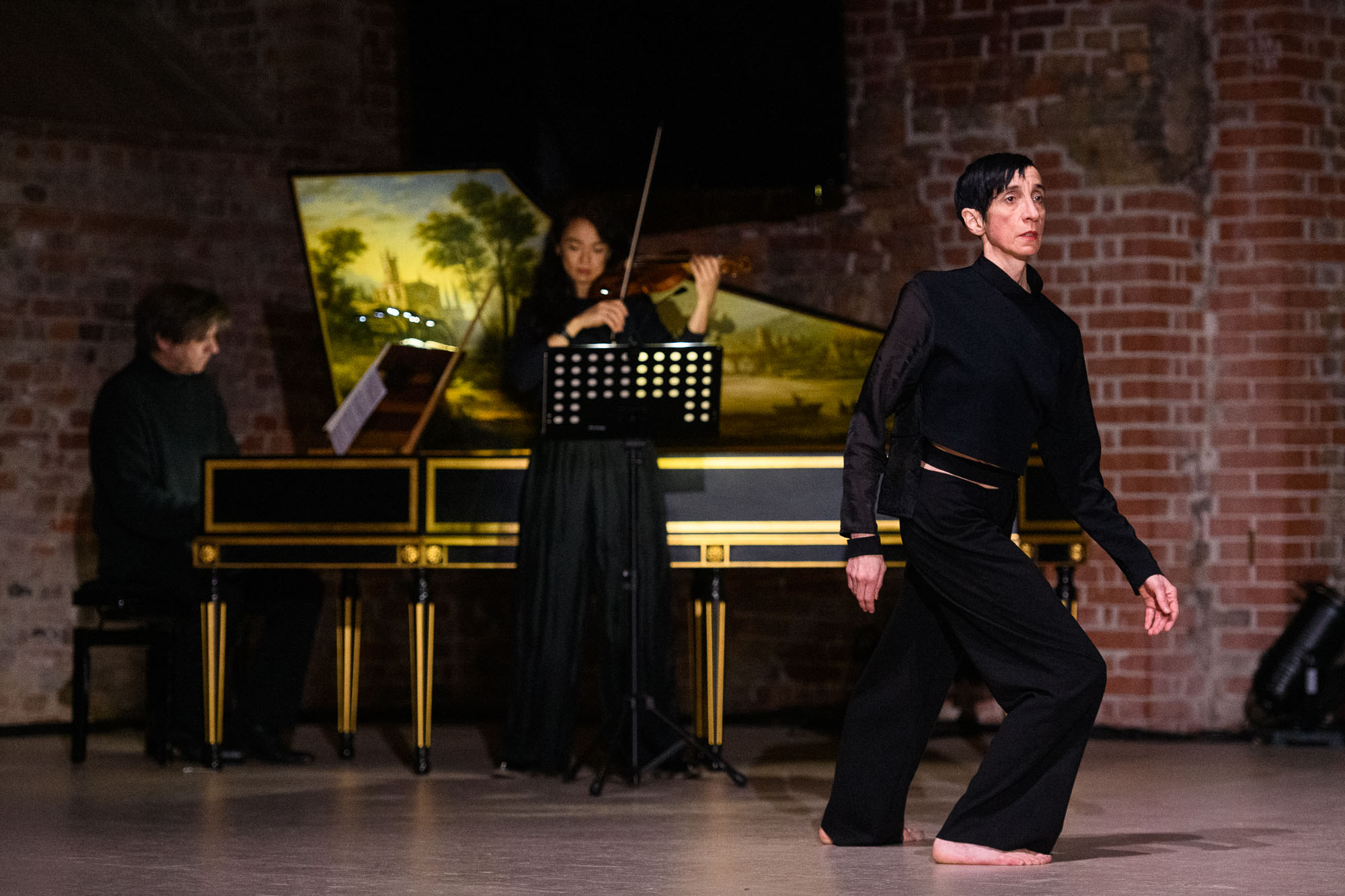
After early training in classical and contemporary dance, Rosalind studied release, BMC® and Contact Improvisation at the EDDC in Arnhem, Holland.  She created the Omeo Dance studio in Sydney as a site for her choreographic research for over 10 years, receiving a  number of awards and a choreographic fellowship from the Australia Council, 1999-2001. Since 2003 her company is based in Paris where she is a choreographic associate of the Atelier de Paris - Carolyn Carlson and teaches and performs throughout Europe.


About Rosalind Crisps Practice

My practice of dancing moves between perception and action: between the 'feedback' from the body-environment, and the 'feed-forward' of conceptual reflection as movement choices are deconstructed. This lab facilitates dance artists to engage with this practice.

The preparation of the body will involve attention to the beginnings, to breath, weight and the senses... To stimulate each person's inquiry I will propose certain frameworks for perception, for example imagining the body as made up of many independent and separable parts, or placing the attention on two body surfaces that separate and come together on the breath, or noticing each next shape that the body 'arrives' in...

Frameworks for generating movement will also be proposed, what I call choreographic improvisation. These are focuses for responding to what is perceived and generating movement within particular limits, for example, increasing, decreasing or maintaining the space between two body parts, adding tone to only one body surface at a time, or shifting a 'shape' through space... tools to interrogate movement choices and to wake up continual potential choice-making.

Being able to access and combine a range of perceptual and generative tools in any one moment might be where the fun is to be had, developing degrees of distance from the tools, slipping between naming and not-naming...  

Reference: Rosalind Crisp's danse practice deals with a volatile group of choreographic principles which guide the way a dancer makes movement. Movements may come from any part of the body, at any speed or level, with any force or direction, for any duration... at any time. It is about dancing.
www.omeodance.com


Aplication/Important Note
Binding Registration
Registration can only be made via e-mail and binds the participant to paying the contribution for the research project. The registration is only reserved form the moment the fee has been paid and received. In case of exceeding the allowed number of participants or cancellation of the research project on part of LaborGras, the whole fee will be reimbursed to the participant immediately. In case of cancellation by the participant after June 10th, 2012 reimbursement is no longer possible, except in the event that the participant finds another person to take their place in the research project. In case of cancellation before June 10th administrative charges of 20,- Euro will always be applied. Each participant is solely liable for possible injuries.

top_link